Step-by-Step Guide to Starting a Private Label Clothing Line
Starting a private label clothing brand from scratch may seem daunting, but breaking the process down into specific steps makes it entirely achievable. Whether you're launching a private label clothing line or a retail business, a systematic approach helps you build a solid foundation and avoid costly mistakes. Below, we’ll break down each step in detail so you can confidently create your own private label clothing line.
Step 1: Conduct Market Research
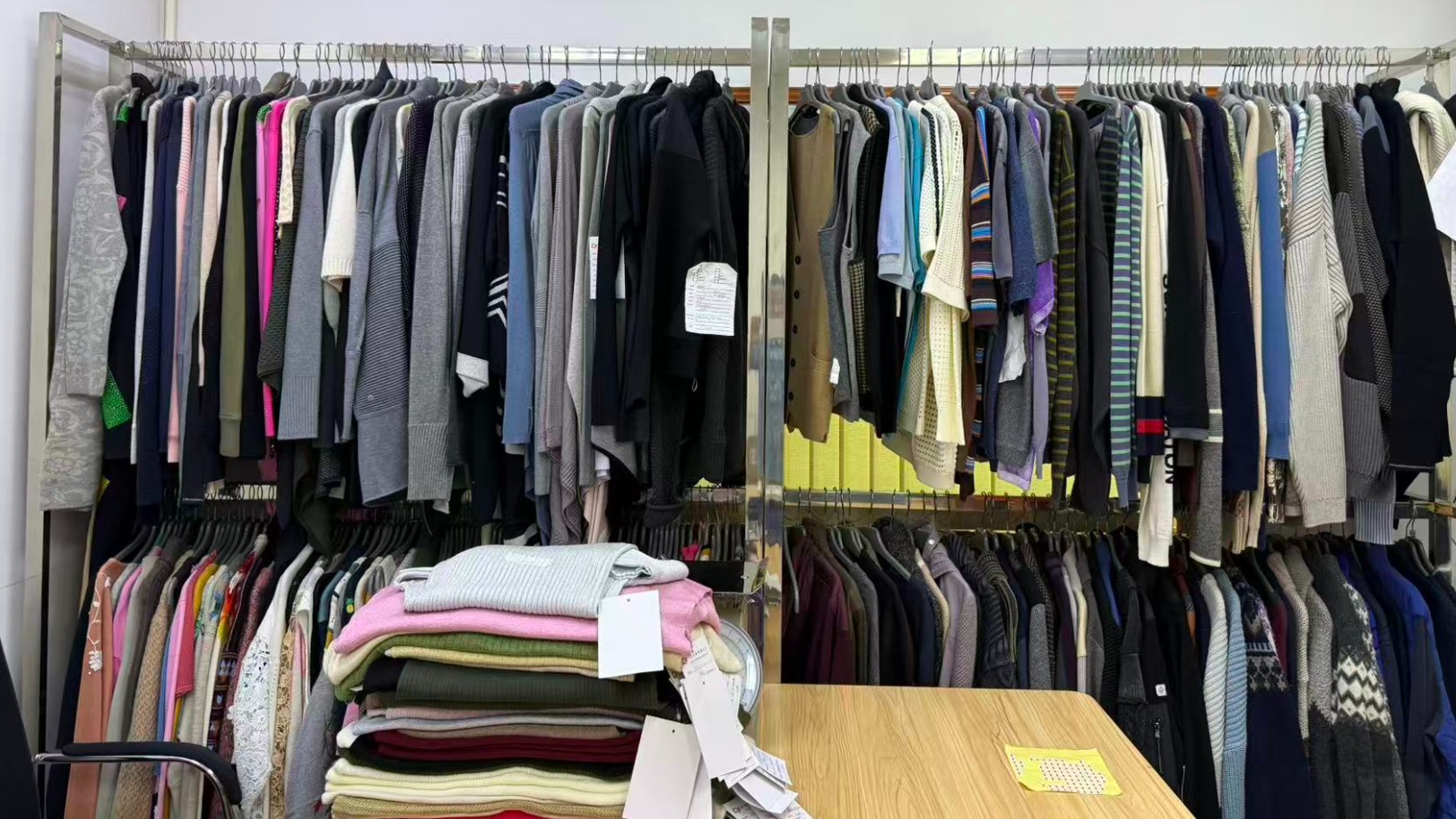
The first step in building a private label clothing business is to thoroughly understand the market. Start by defining your target audience: Who are they? Consider their age, gender, lifestyle, preferences, and shopping habits. Whether you're interested in activewear, organic clothing, swimwear, or another niche, your direction should be based on your interests and research.
Once you've identified your niche, dive deep into the fashion industry. This means not only understanding current fashion trends but also researching your potential customers to ensure your brand can meet future needs. Also, analyze your intended competitors to learn from their successes and shortcomings. This information will help you identify market gaps, allowing your brand to stand out in a competitive industry.
Step 2: Define Your Brand Identity
A distinct brand identity is what sets your private label clothing line apart. Begin by crafting a brand story that resonates with your target market and communicates your vision. Define your brand values, tone of voice, and brand assets such as logo, color palette, and typography. From product design to packaging, your brand image should remain consistent across all touchpoints to create a cohesive and meaningful customer experience.
Step 3: Create a Business Plan
A comprehensive business plan is your roadmap forward. Outline both short-term and long-term business goals, budget, and pricing structure. Also, prepare preliminary income and expense projections to assess the financial sustainability of your business. Additionally, briefly plan your marketing and sales strategies, including online advertising, influencer collaborations, and more. Finally, decide on your sales channels: will it be a DTC website, third-party e-commerce platforms, or physical retail stores?
Step 4: Design Your Collection
With the foundation in place, it's time to start creating your collection. First, determine your product categories, such as casualwear, activewear, loungewear, or children's clothing. Based on your niche and target audience preferences, finalize styles, fabrics, sizes, and seasonal themes. You can choose to hire professional designers or use customizable design templates. The key is to ensure that the clothing designs authentically represent your brand while also aligning with your target market's tastes and needs.
Step 5: Find a Reliable Private Label Clothing Manufacturer
Your manufacturer will be one of your most important business partners. Look for a clothing manufacturer that offers high-quality production, flexible minimum order quantities (MOQs), reasonable lead times, and customization options. A good manufacturer won't only help you navigate complex technical processes but can also provide valuable industry advice. Before finalizing a partnership, clearly communicate timelines, quality control standards, and communication methods to avoid future misunderstandings.
Step 6: Sample Development and Quality Control
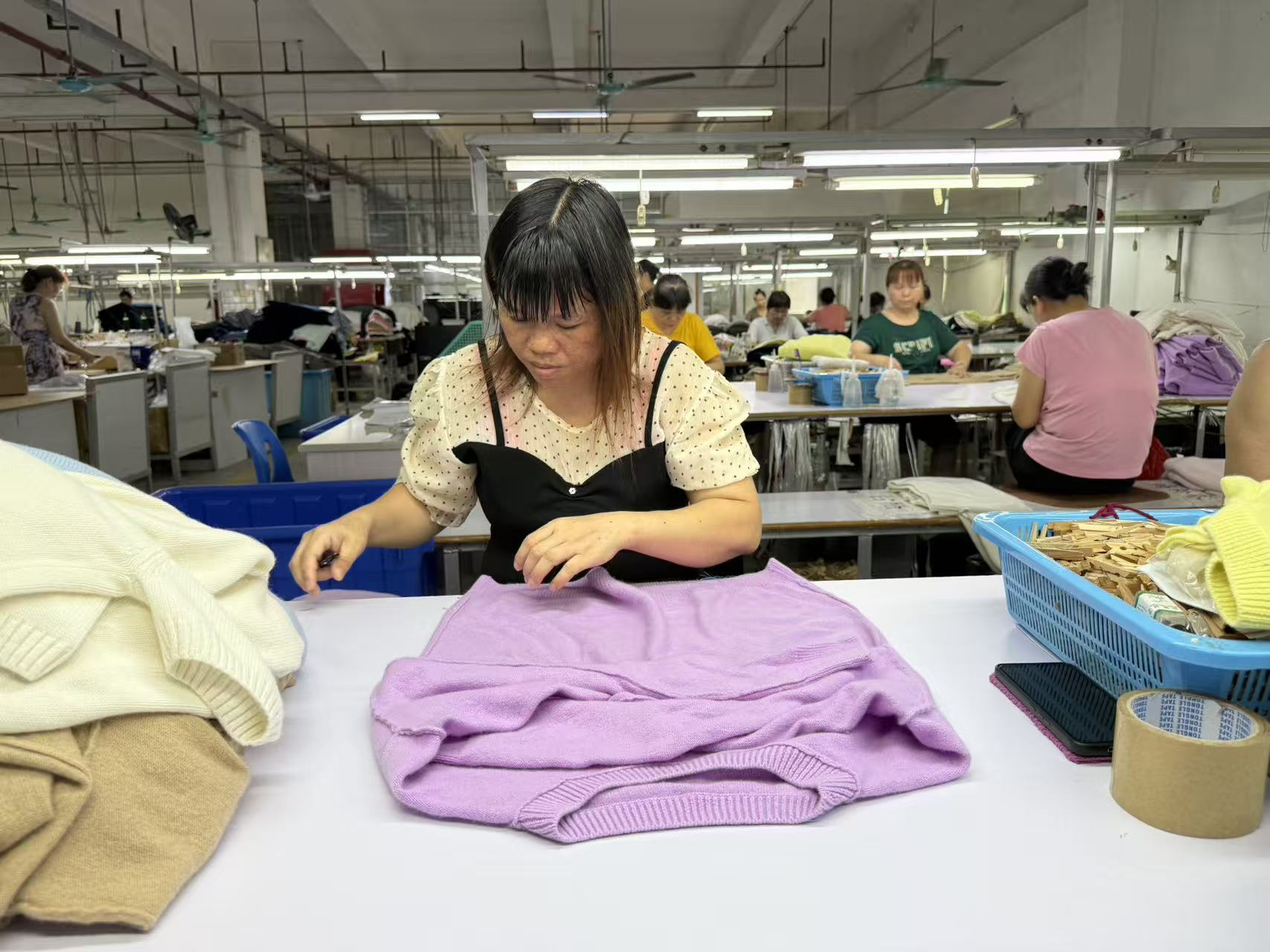
Never skip the sampling stage—it's a critical phase for product refinement! Use samples to check fabric quality, stitching, fit, and overall construction. Test the product to ensure it meets your brand standards and customer expectations. Use this stage to gather feedback and make necessary adjustments. This helps identify and resolve issues early, ensuring smoother bulk production later.
Step 7: Pricing and Inventory Planning
Pricing is crucial for any business. Calculate all-in costs including production, retail markup, shipping, and profit margins, and factor in operational overhead to set a price that is both competitive and profitable. At the same time, plan your inventory based on production schedules, demand forecasts, and storage capacity. Understanding MOQs and maintaining optimal inventory levels can help you avoid overstocking or stockouts.
Step 8: Branding, Packaging, and Labeling
Your product packaging and labeling should reflect professionalism and brand aesthetics. Invest in custom labels (woven, printed, or heat-transfer) to enhance product recognition. Don't overlook packaging—it directly influences customers' perception of value. If your target audience values sustainability, consider using eco-friendly packaging materials to appeal to environmentally conscious consumers.
Step 9: Launch and Market Your Clothing Line
With everything ready, it's time to go to market. Build a strong online presence: create a professional e-commerce website, be active on social media, and implement email marketing. Consider collaborating with industry influencers, stylists, or fashion bloggers to build credibility. You might also start with a "soft launch," such as through pre-orders or limited batch releases, to generate buzz and gather early customer feedback.
Step 10: Scale Your Business
After a successful launch, focus on growth. Regularly analyze key performance indicators like sales trends, return rates, and customer reviews to identify areas for improvement. Use these insights to refine your products and customer experience. To meet growing demand, strategically expand your product line and deepen relationships with reliable manufacturing partners.
Take action now! Follow this guide to build your private label clothing business step by step. Solid preparation at each stage will lay the groundwork for your future success. Wishing you the best on your entrepreneurial journey!